| Last Modified 2025-02-07 |
|
Arizona Wildlife
|
| |
|
| |
|
| |
|
| |
|
| |
|
| |
|
| |
|
| |
|
| |
|
| |
|
| |
|
| |
|
| |
|
| |
|
| |
Desert Bighorn Sheep |
| |
|
| |
I ran across the following herd of 16 while hiking the Lost Goldmine Trail East of the Hieroglyphics Trail Head. |
| |
|
| |
 |
| |
See if you can find all 12 Desert Bighorn Sheep in this photo. |
| |
|
| |
 |
| |
|
| |
 |
| |
|
| |
 |
| |
|
| |
 |
| |
|
| |
 |
| |
|
| |
 |
| |
|
| |
 |
| |
|
| |
 |
| |
|
| |
 |
| |
|
| |
Deer and Elk |
| |
|
| |
 |
| |
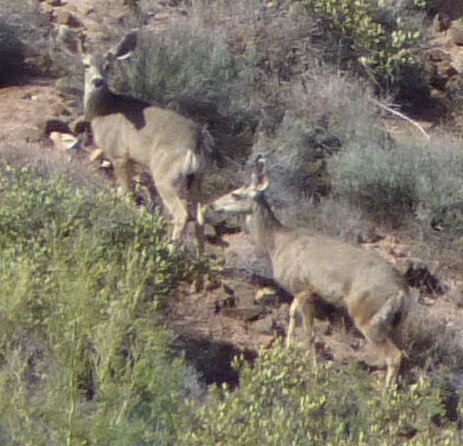
Do you see the third one in this photo? Tom and I saw these near Dan's Trail in the Goldfield Mountains. |
| |
|
| |
 |
| |
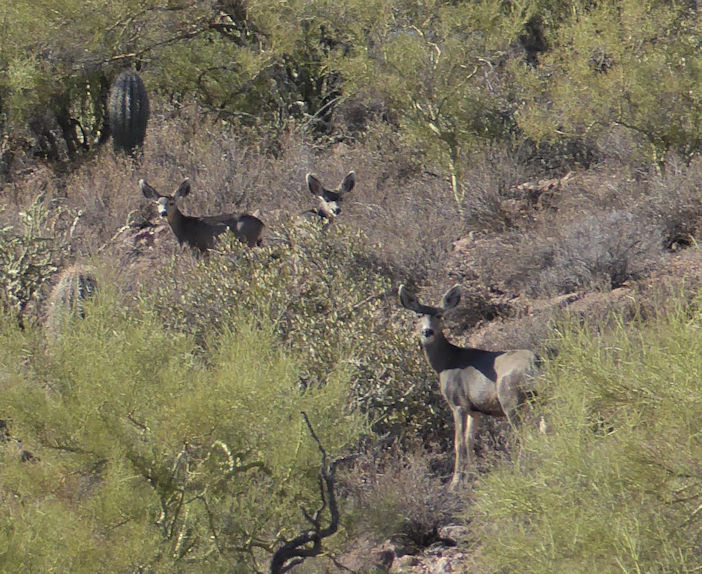
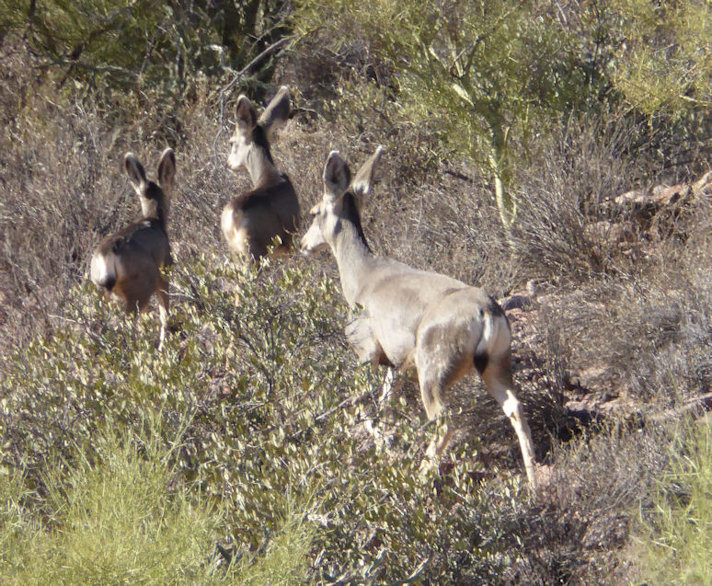
We took this photo and the following one on a trail just South of the Lost Goldmine Trail East of the Hieroglyphics Trail Head. |
| |
|
| |
 |
| |
|
| |
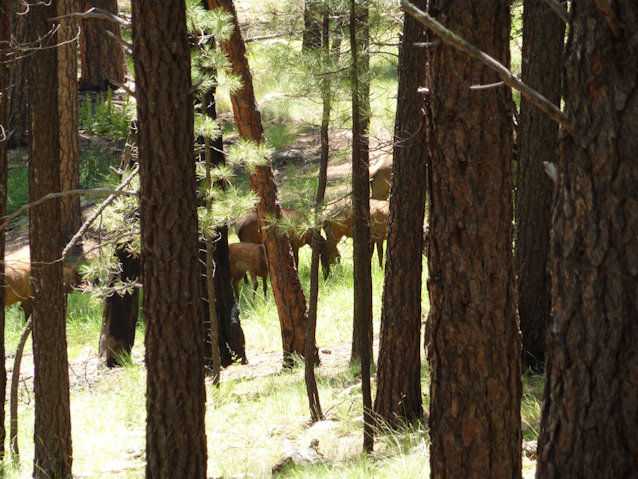
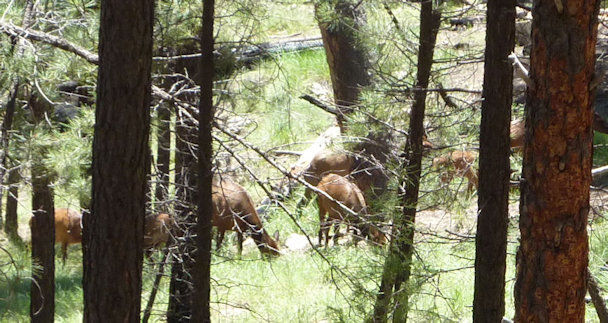
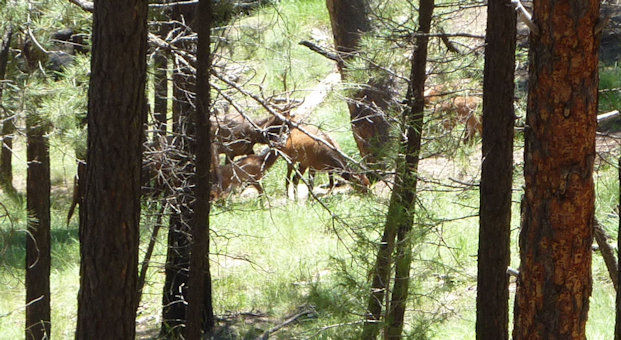
Tom and I ran across the following Elk one summer day on a trail north of Strawberry. |
| |
 |
| |
|
| |
 |
| |
|
| |
 |
| |
|
| |
 |
| |
|
| |
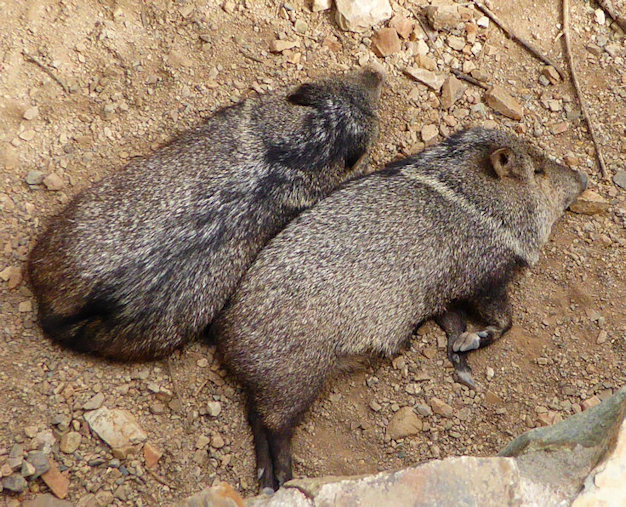
Javelina |
| |
|
| |
 |
| |
|
| |
 |
| |
The above two photos were taken at the Sonora Desert Museum in Tucson. |
| |
|
| |
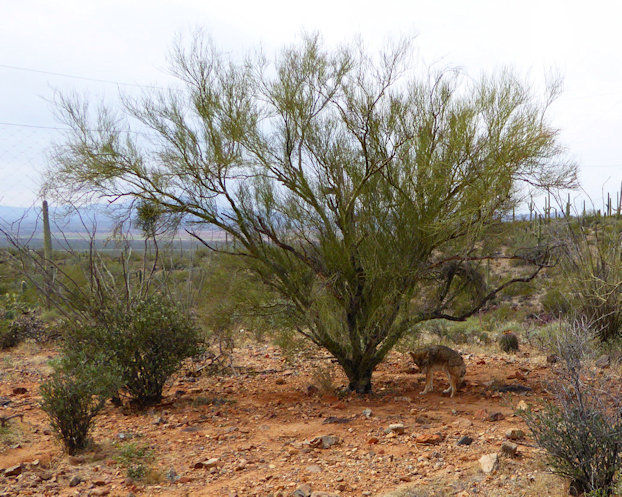
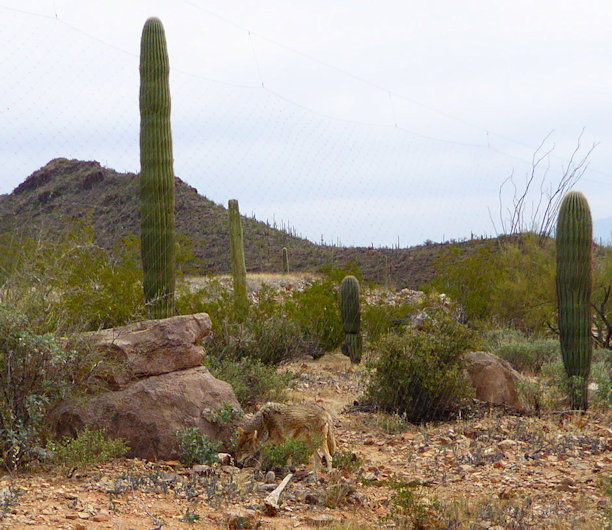
Coyotes |
| |
|
| |
 |
| |
|
| |
 |
| |
The above two photos were taken at the Sonora Desert Museum in Tucson. |
| |
|
| |
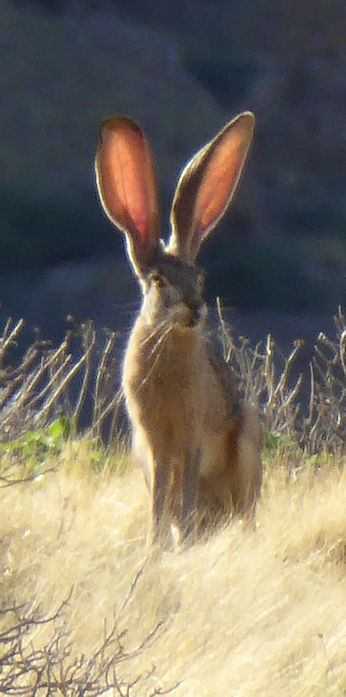
Hares |
| |
|
| |
 |
| |
Antelope Jackrabbit (a bit north of it's normal range), or a Black-tailed Jackrabbit? I took this photo early one morning from the Jacob's Crosscut trail near the Superstitions. |
| |
|
| |
Birds |
| |
|
| |
 |
| |
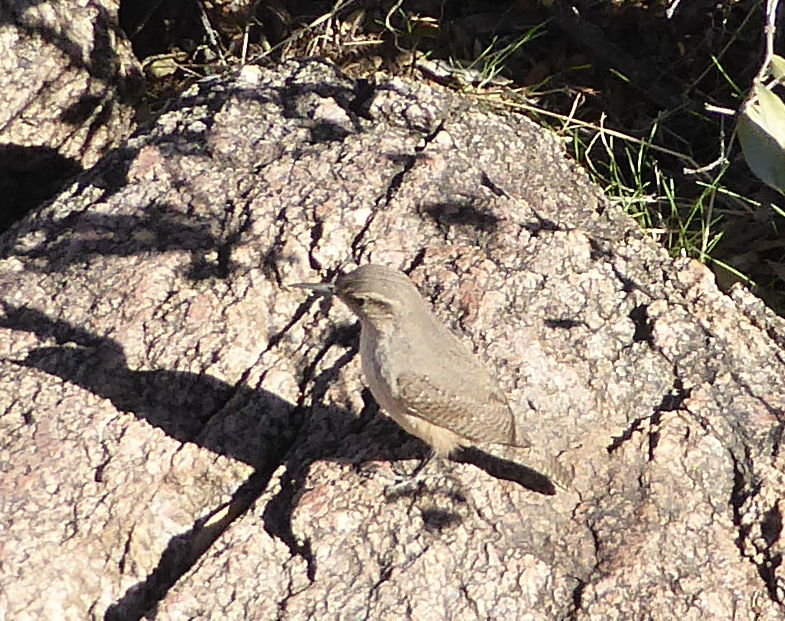
Adult Western House Wren |
| |
|
| |
 |
| |
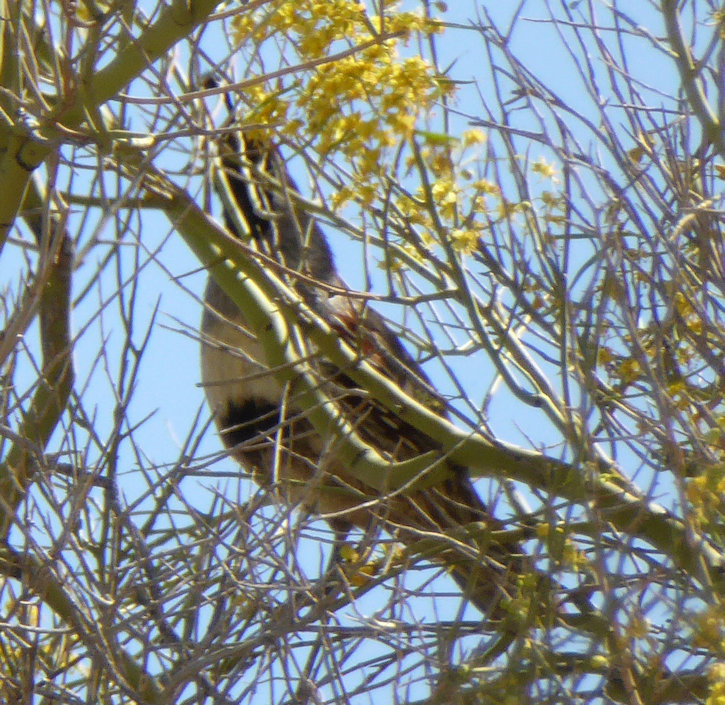
Rock Dove (Feral Pigeon) |
| |
|
| |
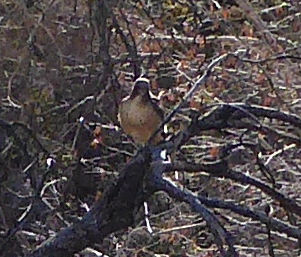
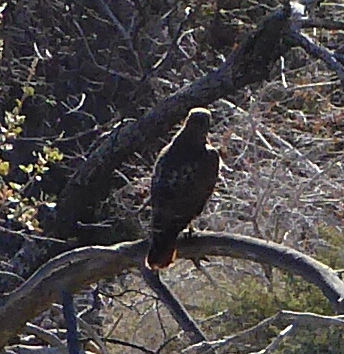
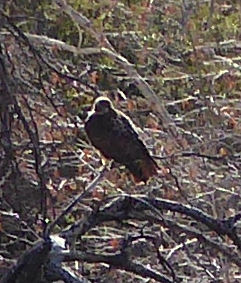
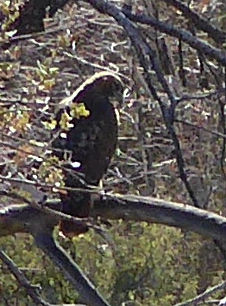
The following four photos taken by Greg are of a female Northern Harrier: |
| |
 |
| |
|
| |
 |
| |
|
| |
 |
| |
|
| |
 |
| |
|
| |
 |
| |
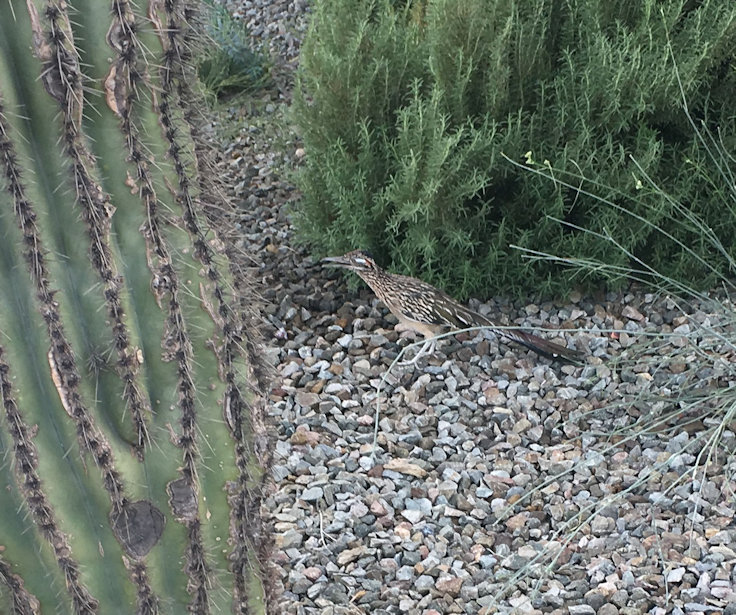
Road Runner near the Lower Salt River |
| |
|
| |
 |
| |
Not exactly shy. . . |
| |
|
| |
 |
| |
Double-Crested Cormorant on Saguaro Lake |
| |
|
| |
 |
| |
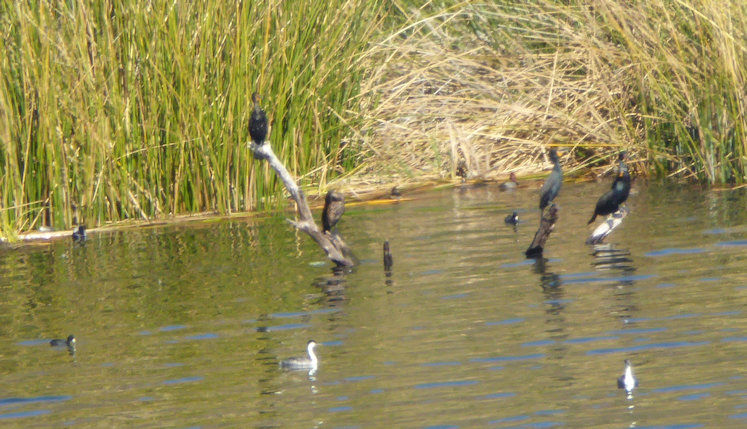
Some more Double-Crested Cormorants at Saguaro Lake off the end of the Butcher Jones Trail - along with a couple of Grebes and various types of ducks |
| |
|
| |
 |
| |
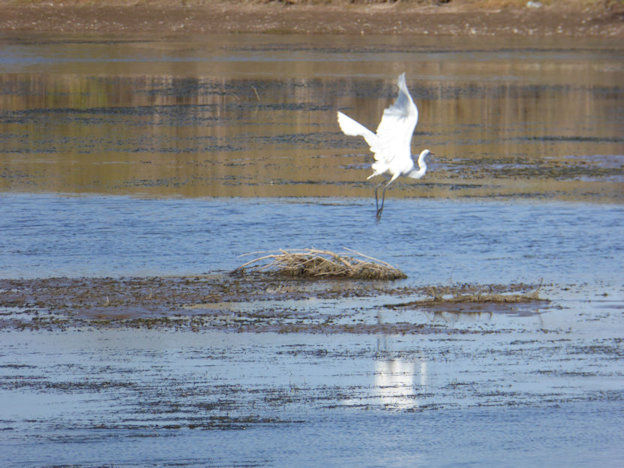
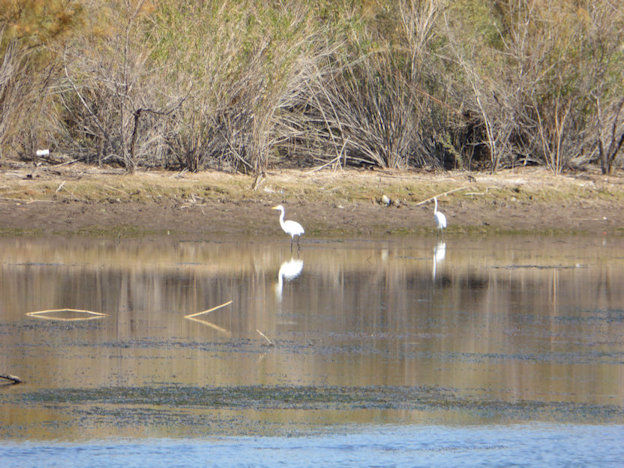
Great Egret on the Lower Salt River at the Granite Reef Rec area. |
| |
|
| |
 |
| |
Two more at the same location. |
| |
|
| |
 |
| |
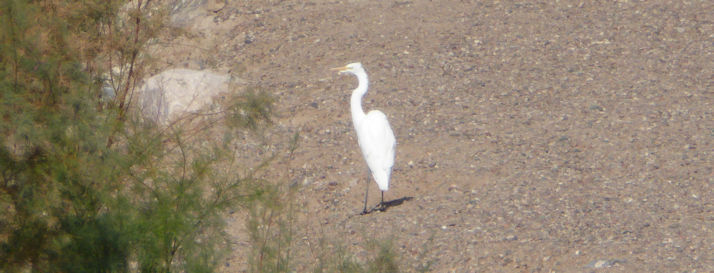
This one was found just off the Gila River near the Gillespie Dam Bridge. |
| |
|
| |
 |
| |
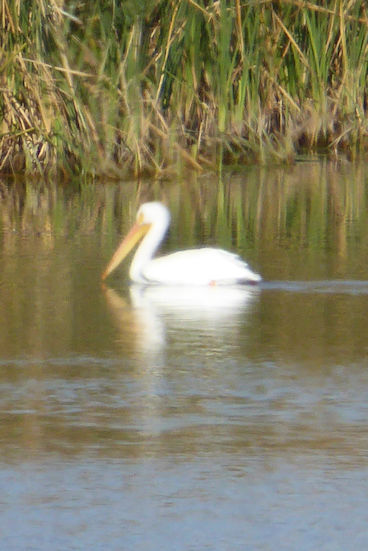
American White Pelicans also on the Gila River. . . |
| |
|
| |
 |
| |
A side view. . . |
| |
|
| |
 |
| |
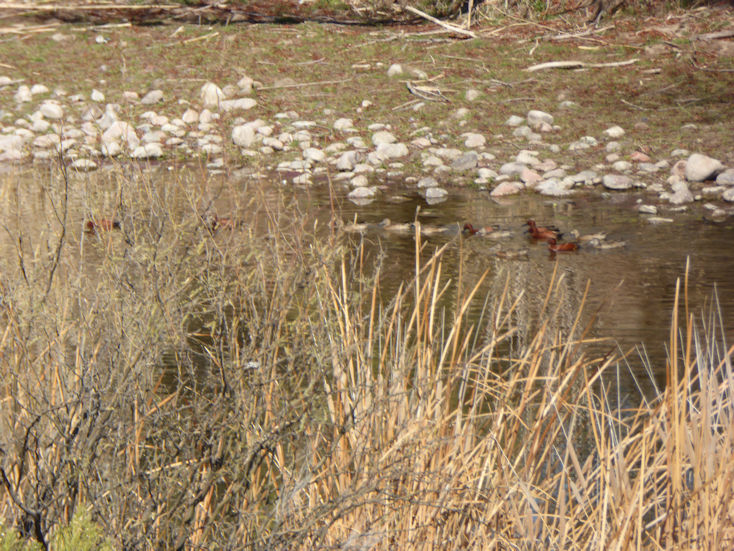
This shot and the one following were taken at the Lower Salt River at the Coon Bluff rec area. |
| |
|
| |
 |
| |
|
| |
 |
| |
On the creek in Sabino Canyon in Tucson. |
| |
|
| |
 |
| |
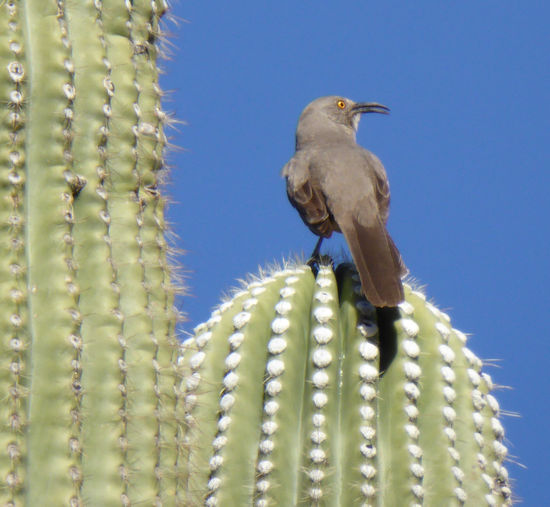
Curve-Billed Thrasher |
| |
|
| |
 |
| |
A male Curve-Billed Thrasher who normally has a very sharp and loud "whit-wee" whistle, but in this case was singing a soft song that they do when courting a female. |
|
| |
|
| |
 |
| |
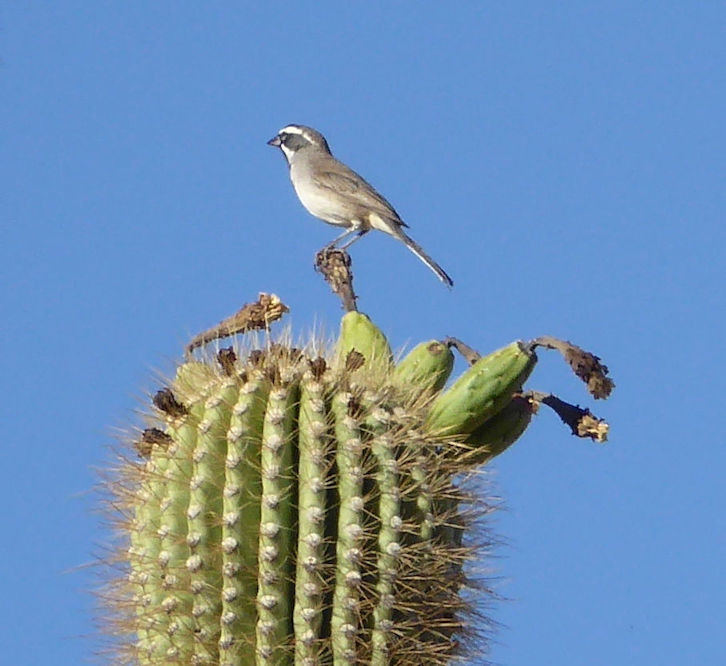
Black Throated Sparrow. These small Sparrows are very common in our desert, but because they move so quickly and rarely settle down, it took me years to finally get a photo so I could figure out what this active bird with a very soft squeek sound is. |
|
| |
|
| |
 |
| |
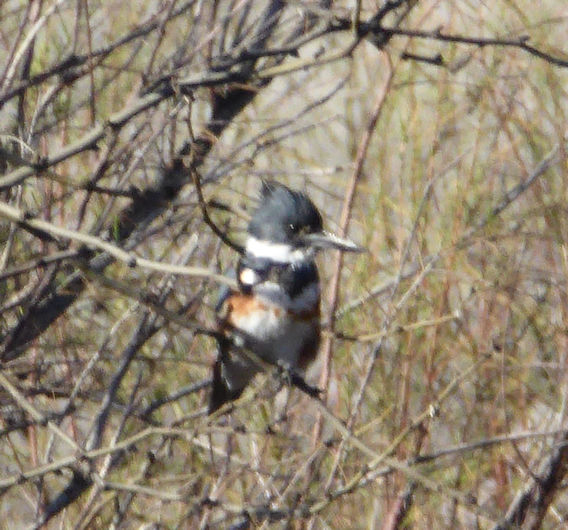
Female Belted Kingfisher |
| |
|
| |
 |
| |
Male Phainopepla |
| |
|
| |
 |
| |
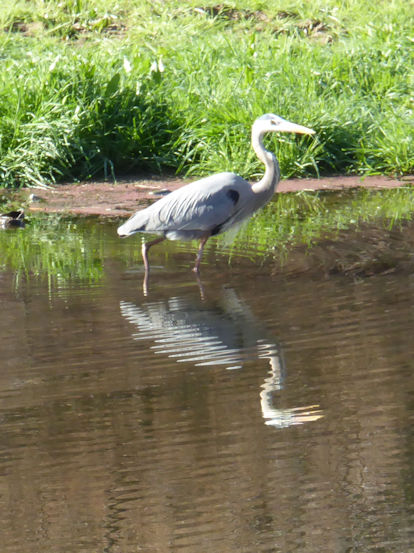
Great Blue Heron |
| |
|
| |
 |
| |
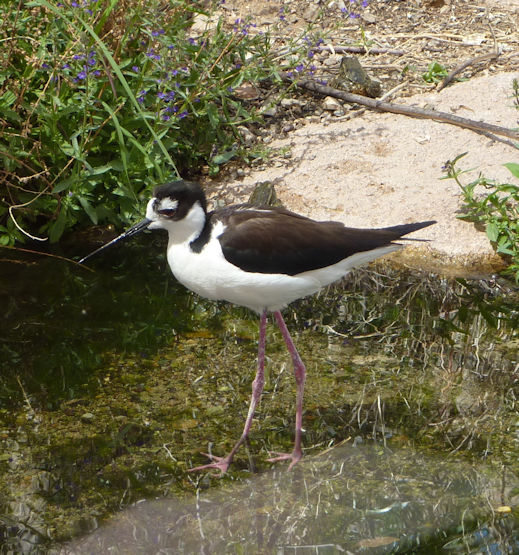
Black Necked Stilt |
| |
|
| |
 |
| |
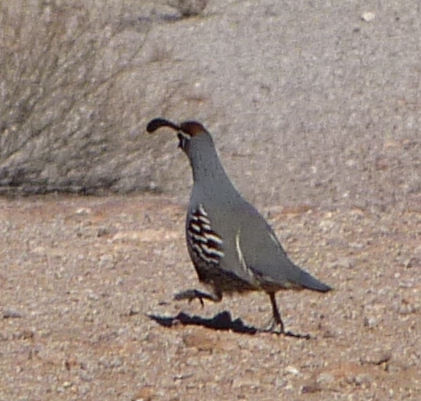
Gambel's Quail |
| |
|
| |
 |
| |
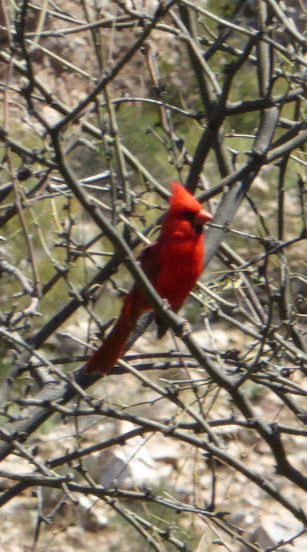
Northern Cardinal |
| |
|
| |
 |
| |
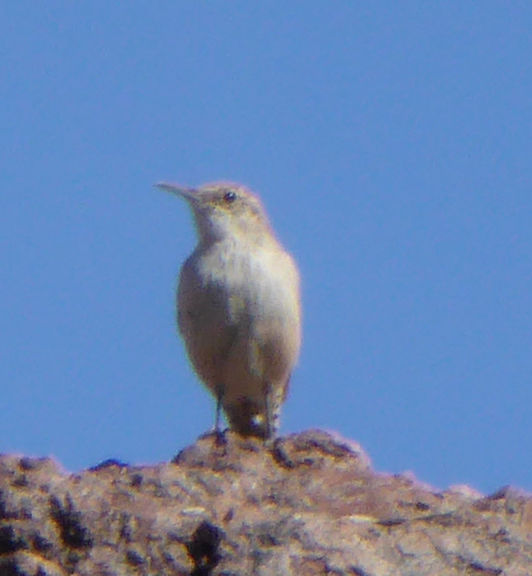
Based on this bird's song, I think it's a Canyon Wren even though it appears a little lighter color then the book shows. We've heard bird calls for years (described as a decending trill), but have never seen one before. |
|
| |
|
| |
 |
| |
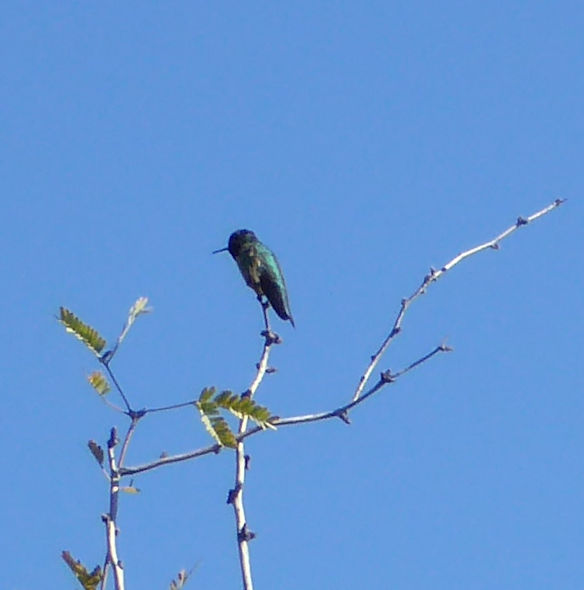
Costa's? Hummingbird |
| |
|
| |
 |
| |
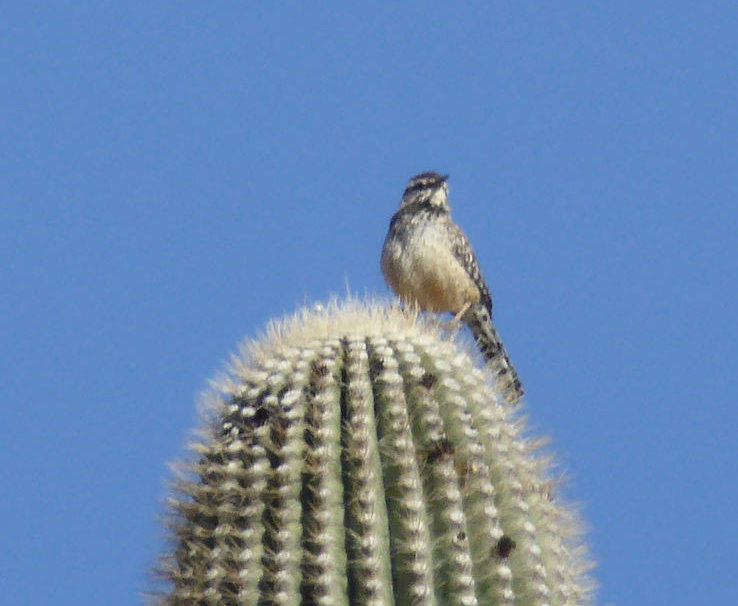
Cactus Wren |
| |
|
| |
Lizards |
| |
|
| |
 |
| |
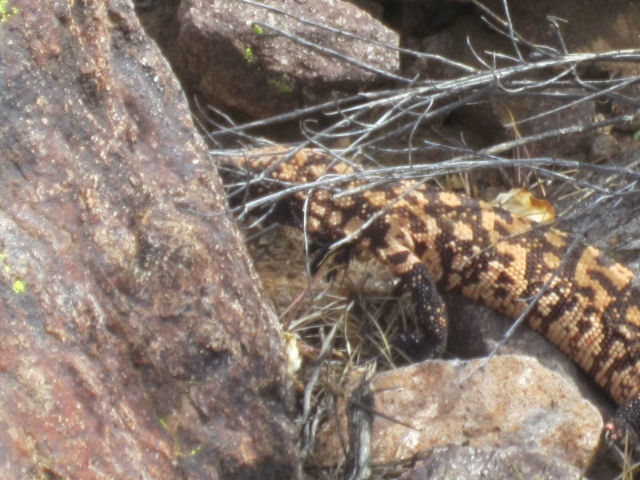
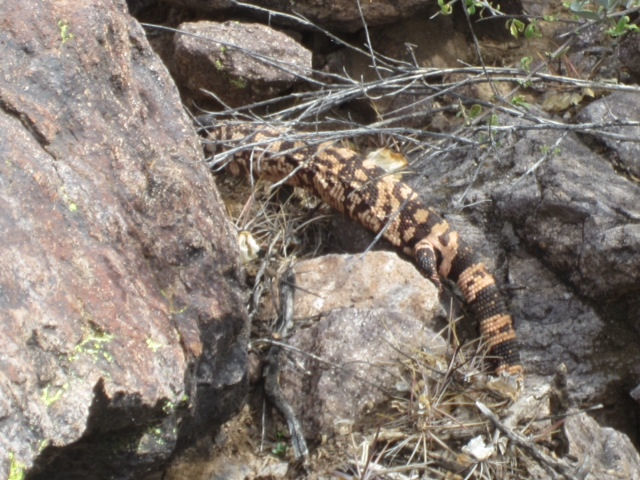
This one and the following are a Gila Monster found on the Lost Goldmine Trail from the Peralta Road end. |
| |
|
| |
 |
| |
|
| |
 |
| |
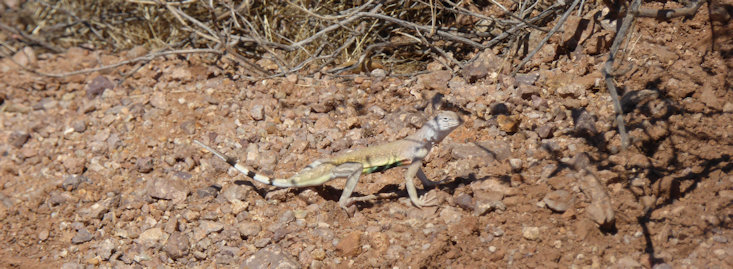
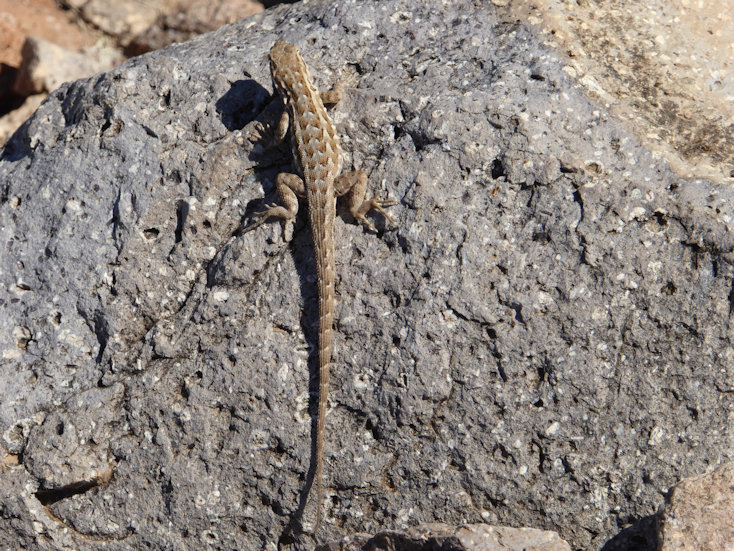
Zebra-tailed Lizard? |
| |
|
| |
 |
| |
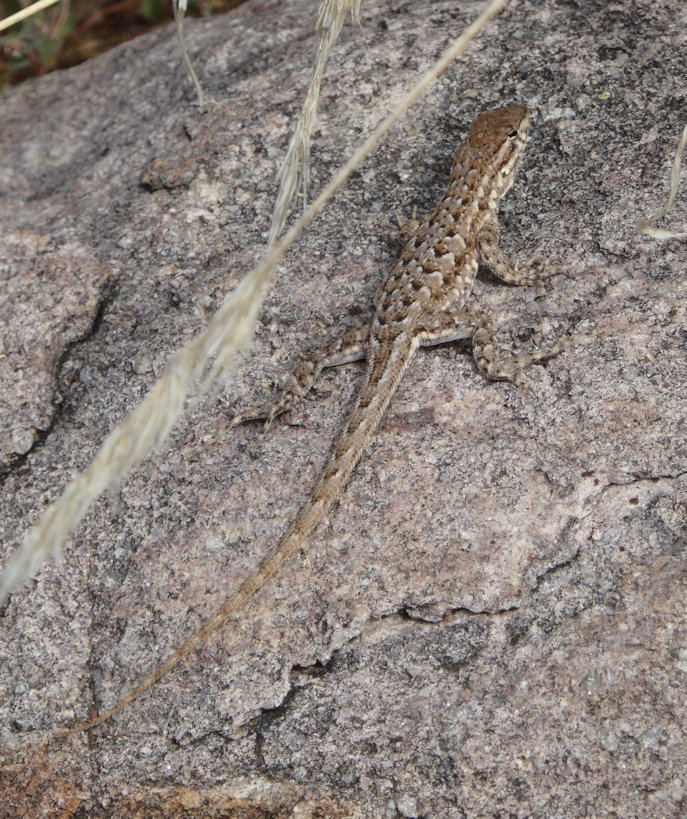
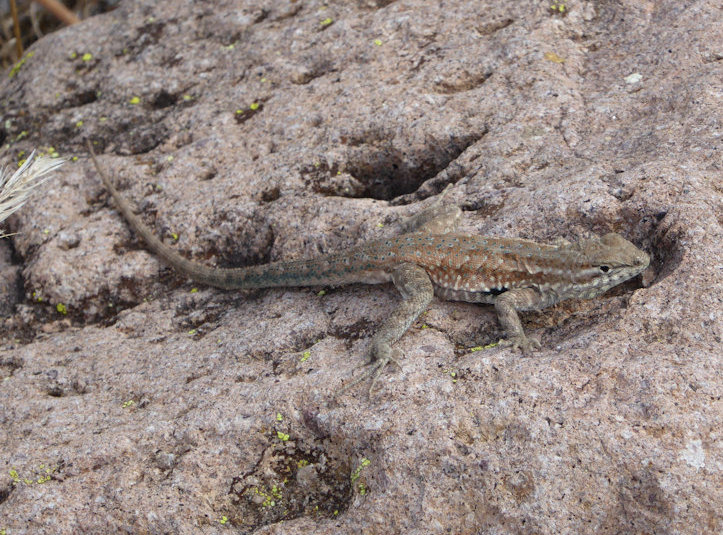
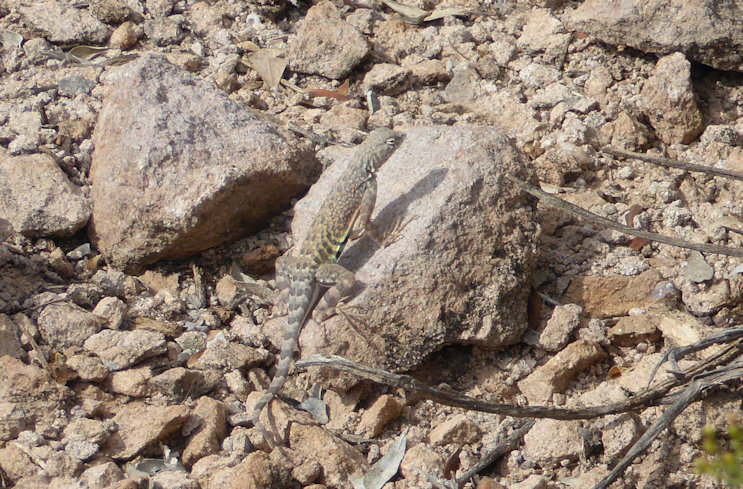
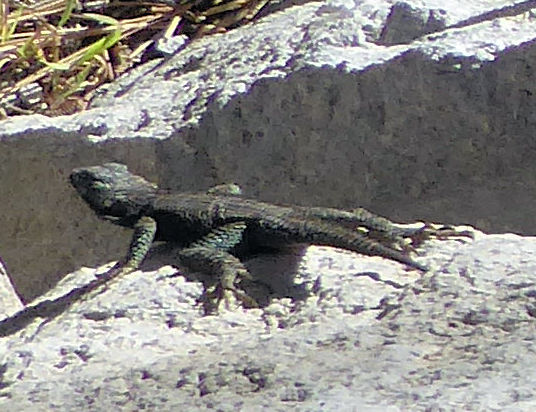
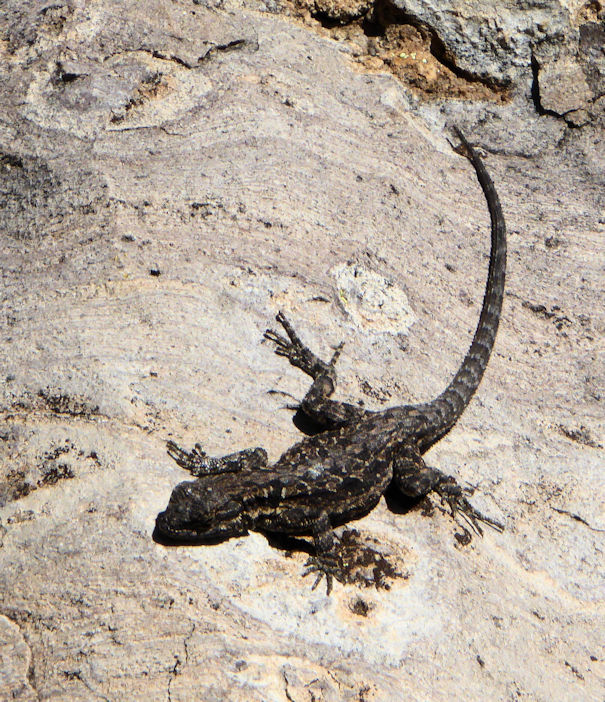
This one and the following two more appear to be Common Side-bloched Lizards |
| |
|
| |
 |
| |
|
| |
 |
| |
|
| |
 |
| |
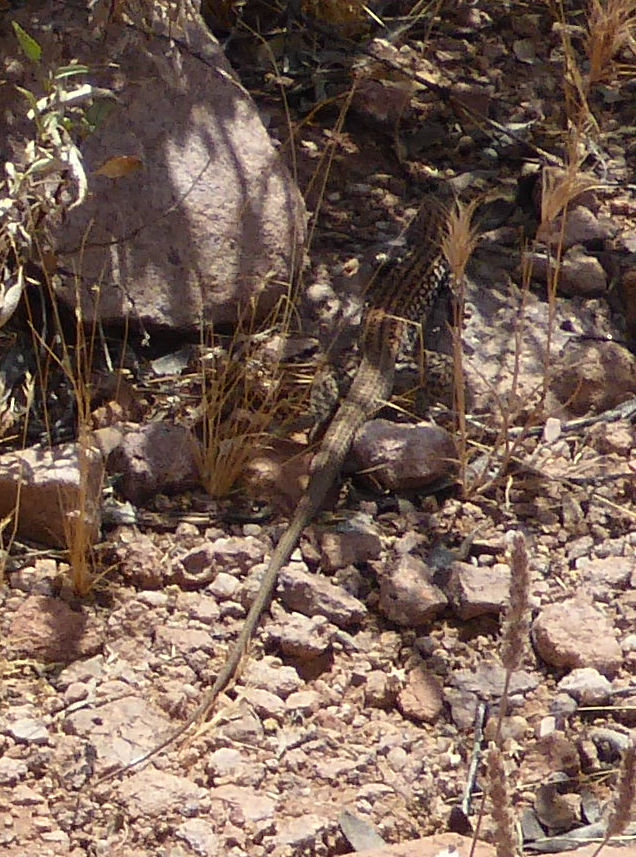
Greater Earless Lizard? |
| |
|
| |
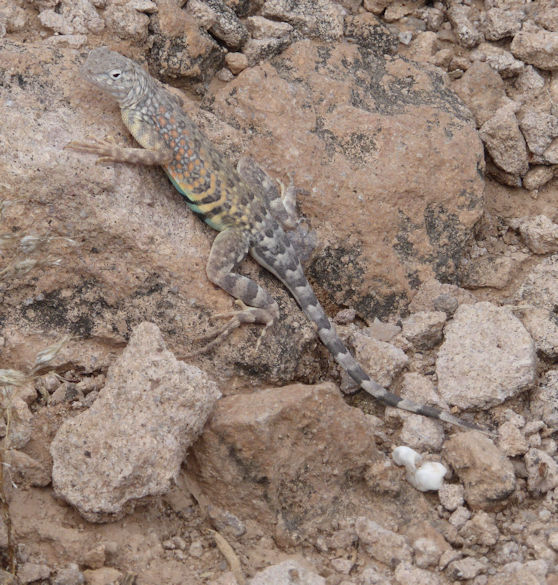 |
| |
Same as above. . . |
| |
|
| |
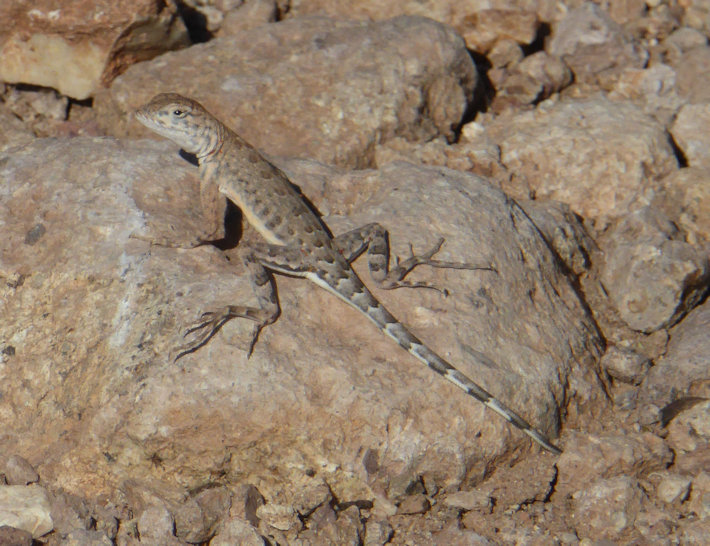 |
| |
Check out the back legs/feet on this one. . . |
| |
|
| |
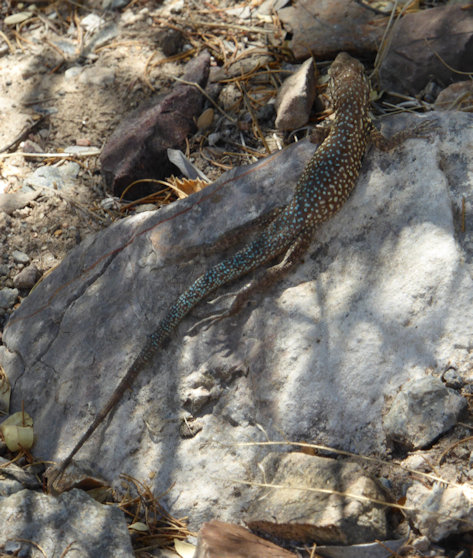 |
| |
|
| |
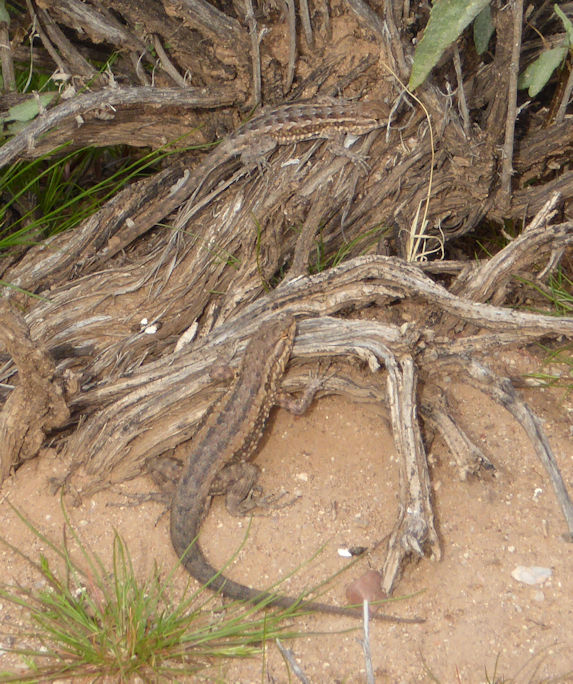 |
| |
Two in one shot. . . |
| |
|
| |
 |
| |
|
| |
 |
| |
|
| |
 |
| |
|
| |
 |
| |
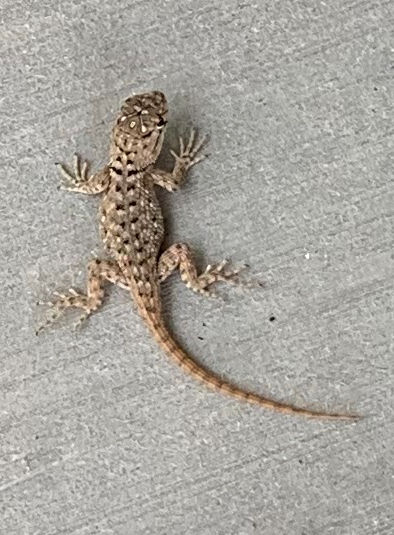
This little guy is less than 2 inches long. . . |
| |
|
| |
Horned Lizards |
| |
|
| |
  |
| |
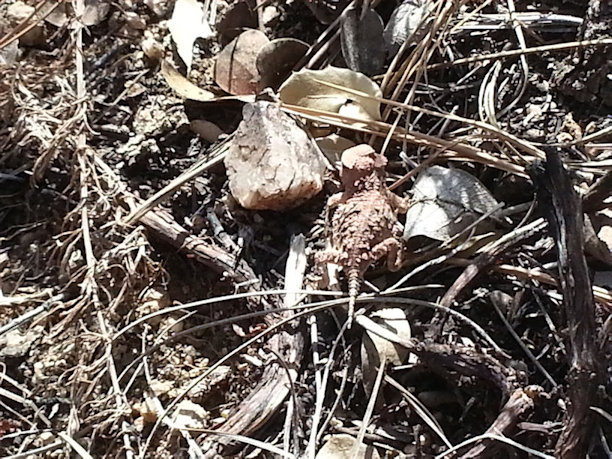
Rita discovered this Round-Tailed Horned Lizard? near Four Peaks |
| |
|
| |
 |
| |
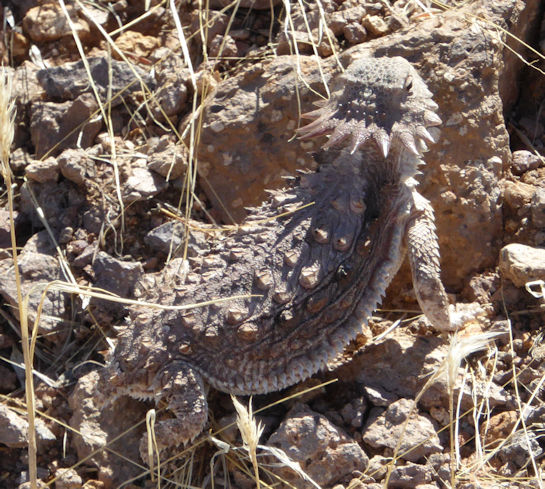
Desert Horned Lizard Missing part of its tail? |
| |
|
| |
 |
| |
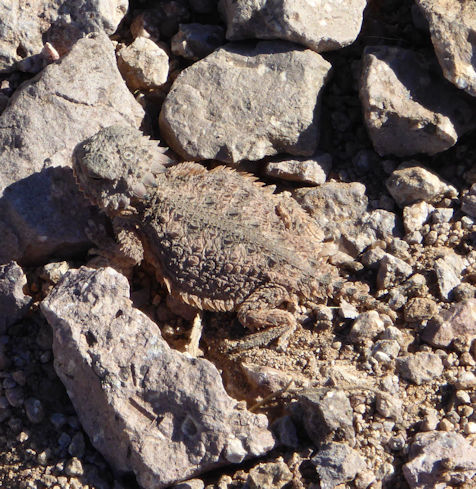
Round-Tailed Horned Lizard |
| |
|
| |
 |
| |
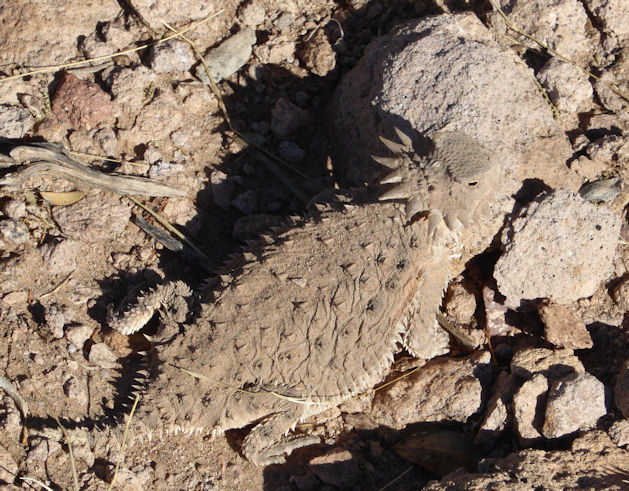
Regal Horned Lizard? |
| |
|
| |
Toads |
| |
|
| |
 |
| |
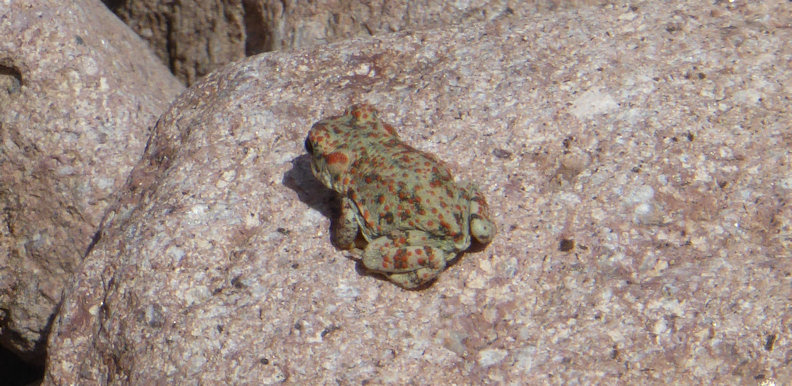
Red-spotted Toad? (I question it because it looks different than the book and it may be a juvenile Sonoran Desert Toad) |
| |
|
| |
Snakes |
| |
|
| |
 |
| |
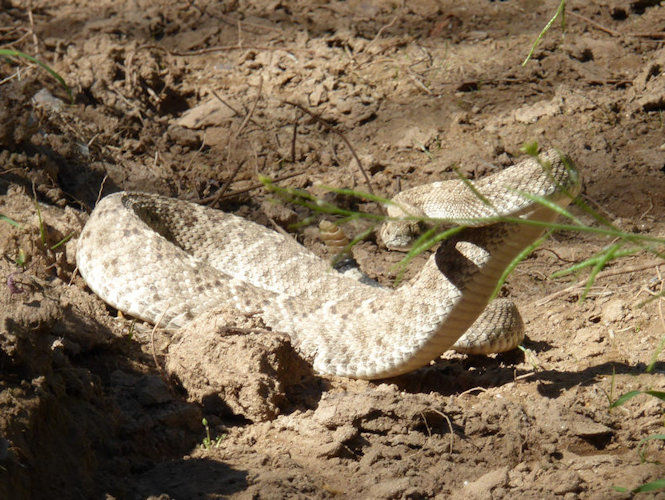
A Western Diamondback in Arnett Canyon. |
| |
|
| |
 |
| |
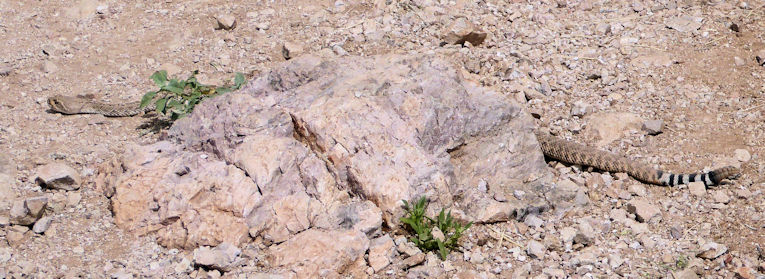
Another on the Lost Dutchman Trail east of the Peralta Trail Head. |
| |
|
| |
  |
| |
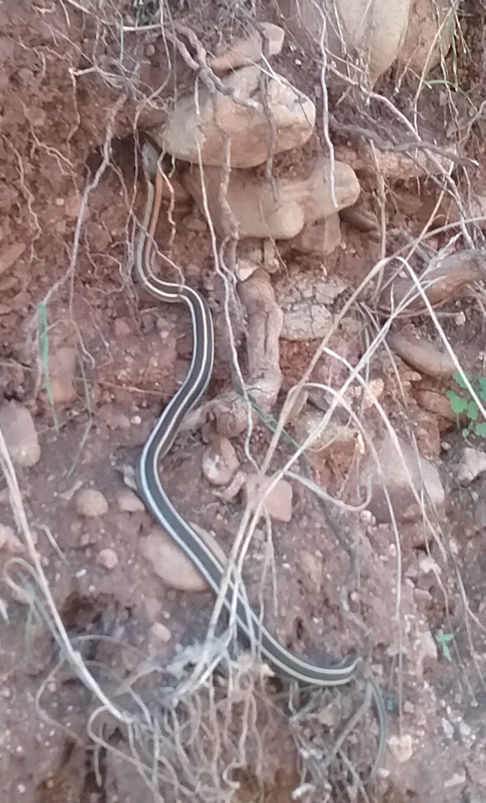
A Black-Necked Garter Snake |
| |
|
| |
Wild Horses |
| |
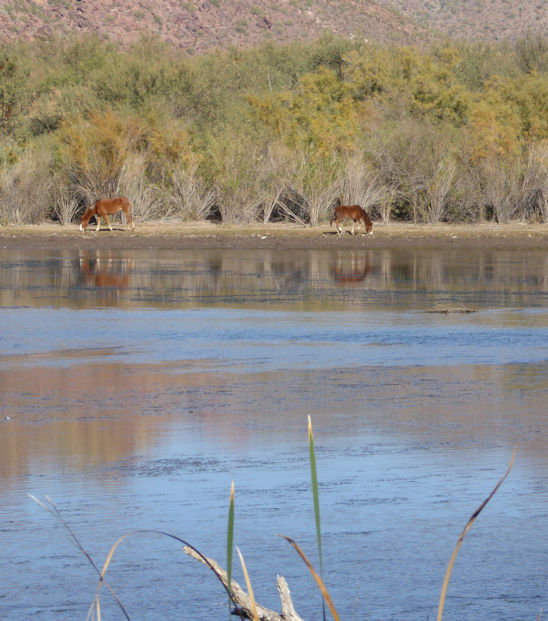
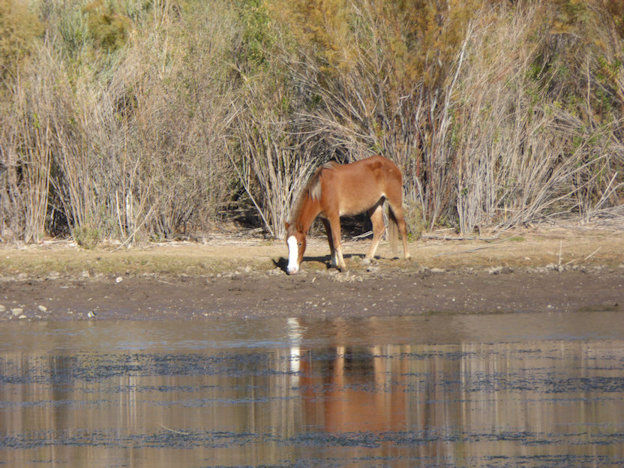
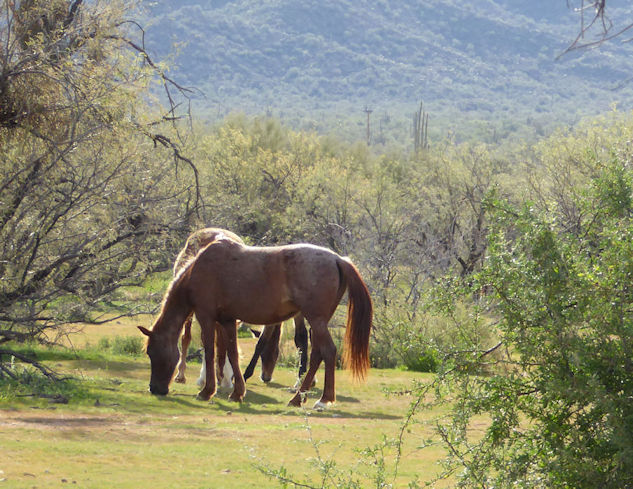
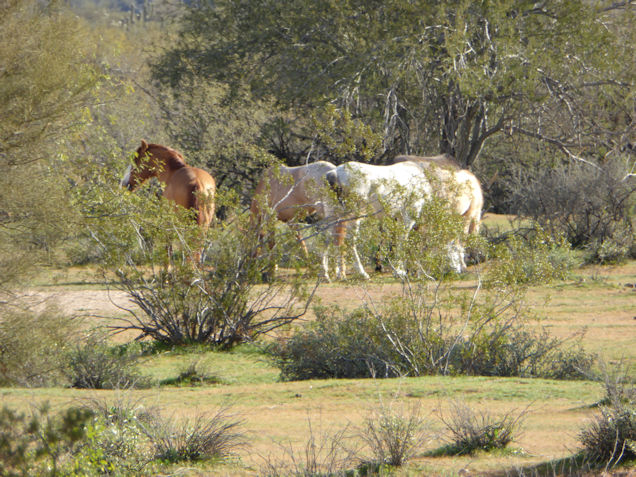
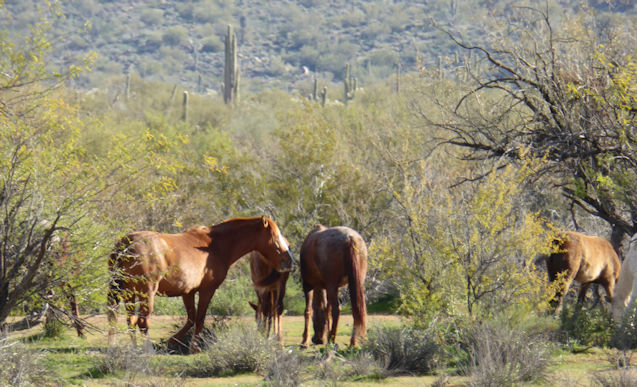
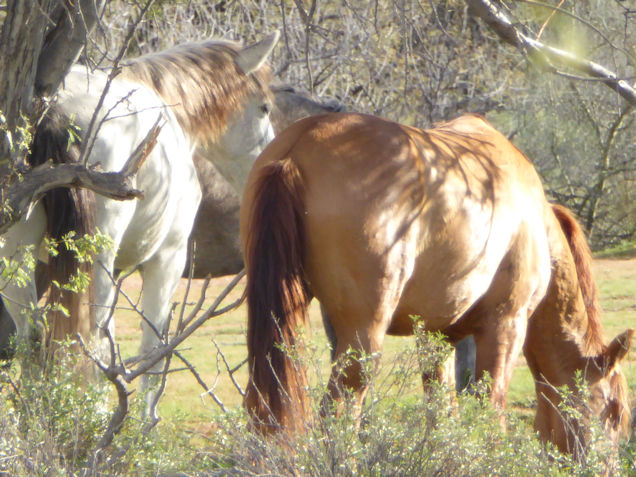
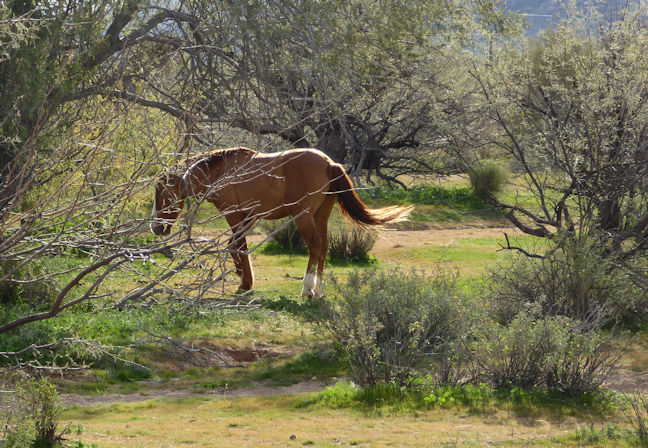
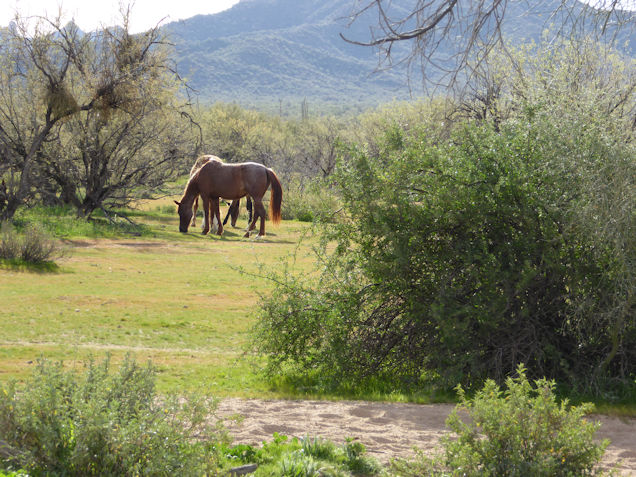
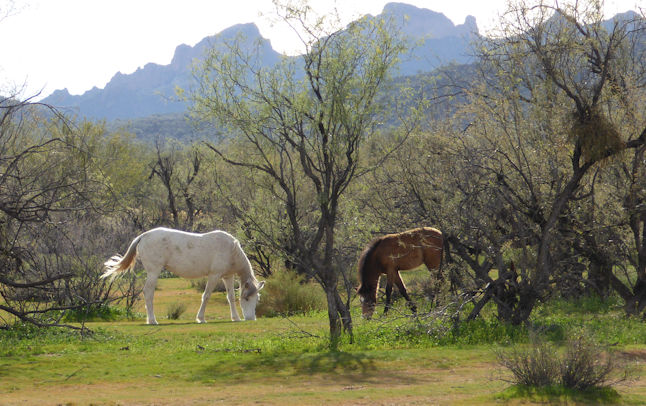
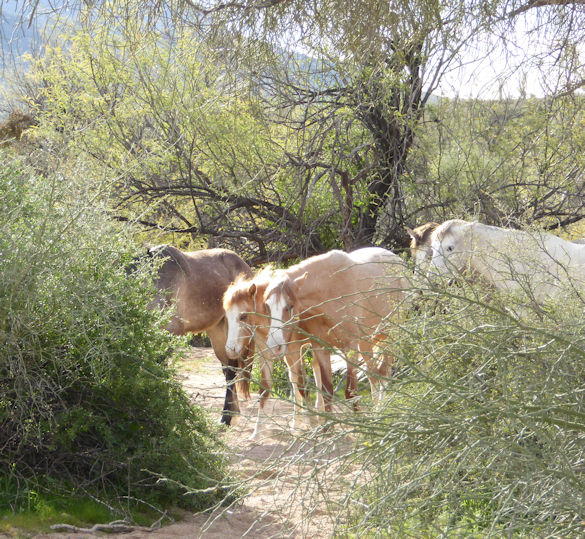
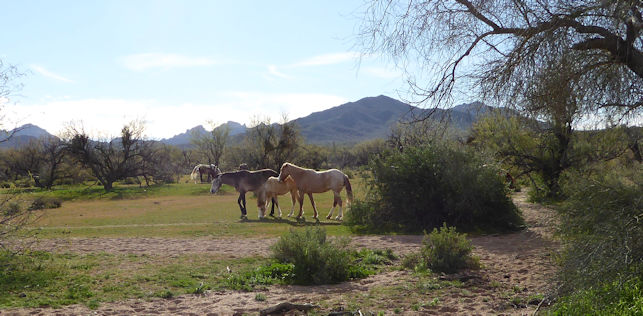
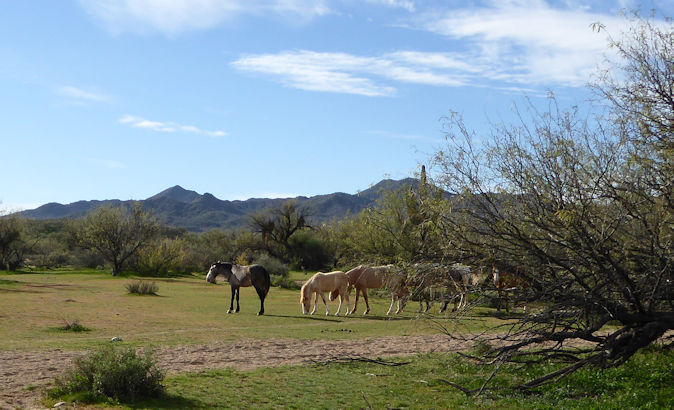
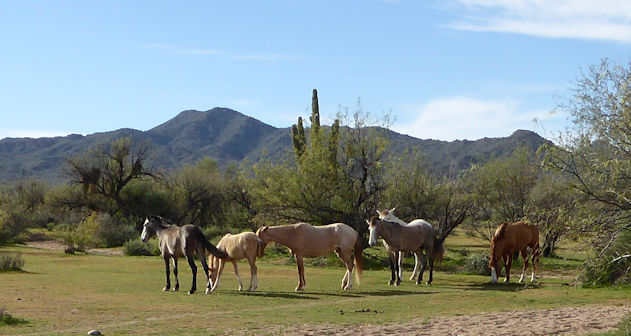
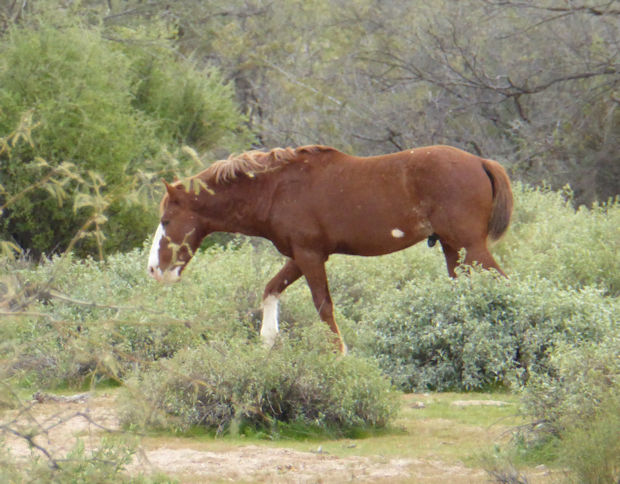
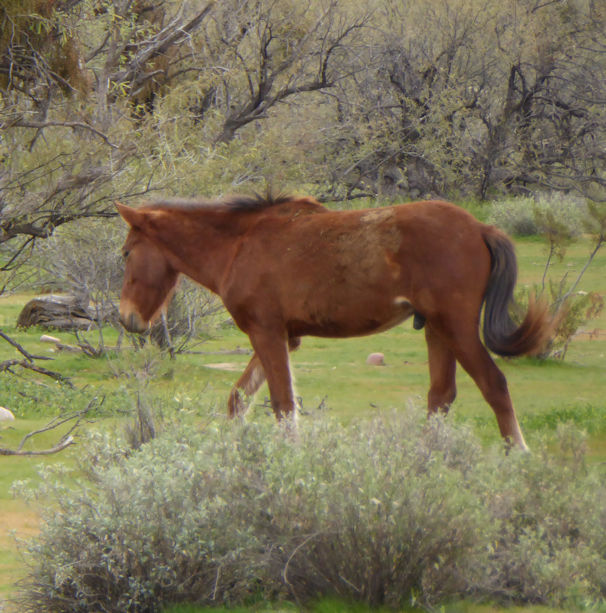
The following photos were taken near the Lower Salt River; either from the Phon D. Sutton, Granite Reef, or Coon Bluff recreation areas off of the Bush Hwy. |
| |
|
| |
 |
| |
|
| |
 |
| |
|
| |
 |
| |
|
| |
 |
| |
|
| |
 |
| |
|
| |
 |
| |
|
| |
 |
| |
|
| |
 |
| |
|
| |
 |
| |
|
| |
 |
| |
|
| |
 |
| |
|
| |
 |
| |
|
| |
 |
| |
|
| |
 |
| |
|
| |
 |
| |
|
| |
 |
| |
|
| |
 |
| |
|
| |
 |
| |
|
| |
|
| |
Insects |
| |
|
| |
 |
| |
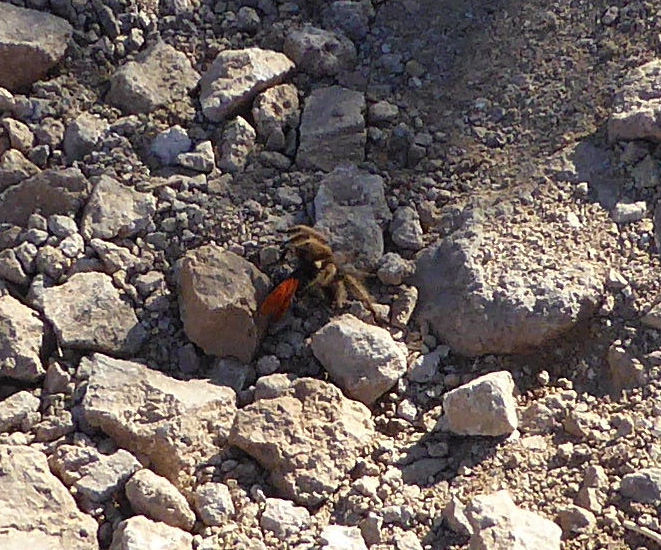
A Tarantula Hawk hauling its prey to its lair. A Tarantula Hawk is a wasp and the female stings the spider immobilizing it and then digs a burial chamber, drags the spider inside, lays an egg, and closes the burrow. Wasp larva then feed on the spider. A sting from this wasp is reportedly among the most painful insect stings for humans. |
|
| |
|
| |
  |
| |
Monarch? Butterfly |
| |
|
| |
 |
| |
A Walkingstick given scale by a hiking stick. . . |
| |
|
| |
|
| |
|
| |
|